
UNIHUBS’ Co-creation and Local Multiplier Workshops
The EU-funded UNIHUBS Project continues to gather strong momentum as partner institutions in Ghana, Kenya and Tanzania bring universities, industry, innovation hubs and community actors together to reshape the future of digital innovation education across Africa. In recent months, the project delivered a series of highly engaging Local Multiplier Workshops and Co-Creation Workshops that opened new spaces for dialogue, experimentation and shared curriculum design. These events reinforced the project’s mission to equip learners with the competencies, confidence and practical exposure needed to thrive in a dynamic innovation ecosystem.
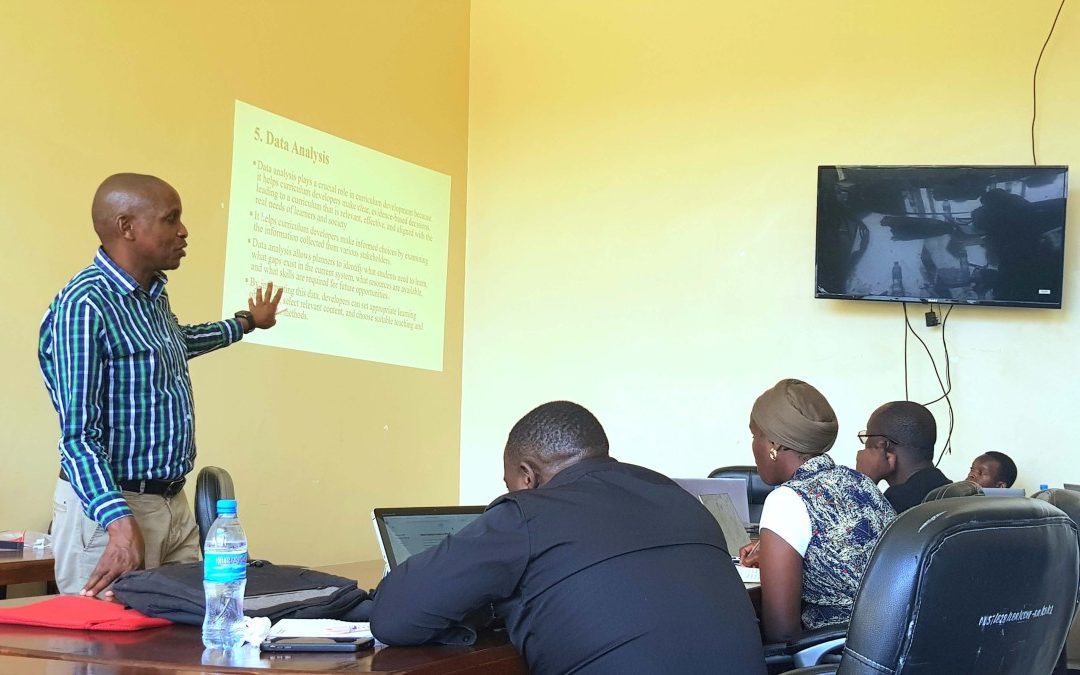
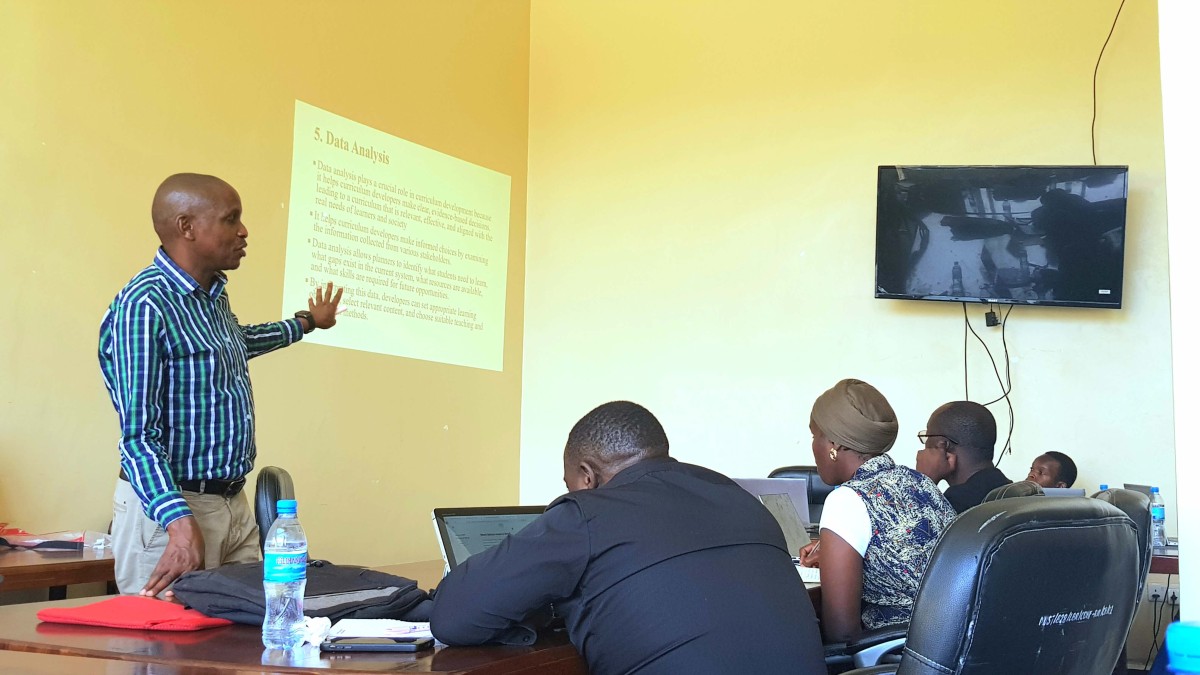
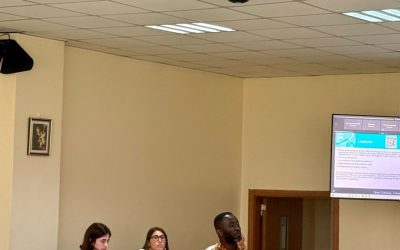
The Local Multiplier Workshop challenged participants to explore how higher education can better connect with digital innovation hubs. The conversations illuminated clear opportunities for alignment between academic programmes and real labour market needs. Stakeholders reflected openly on institutional constraints, emerging skill gaps and the urgency of preparing students for digital transformation. The workshop strengthened relationships across the local ecosystem and created renewed enthusiasm for the forthcoming educational package.
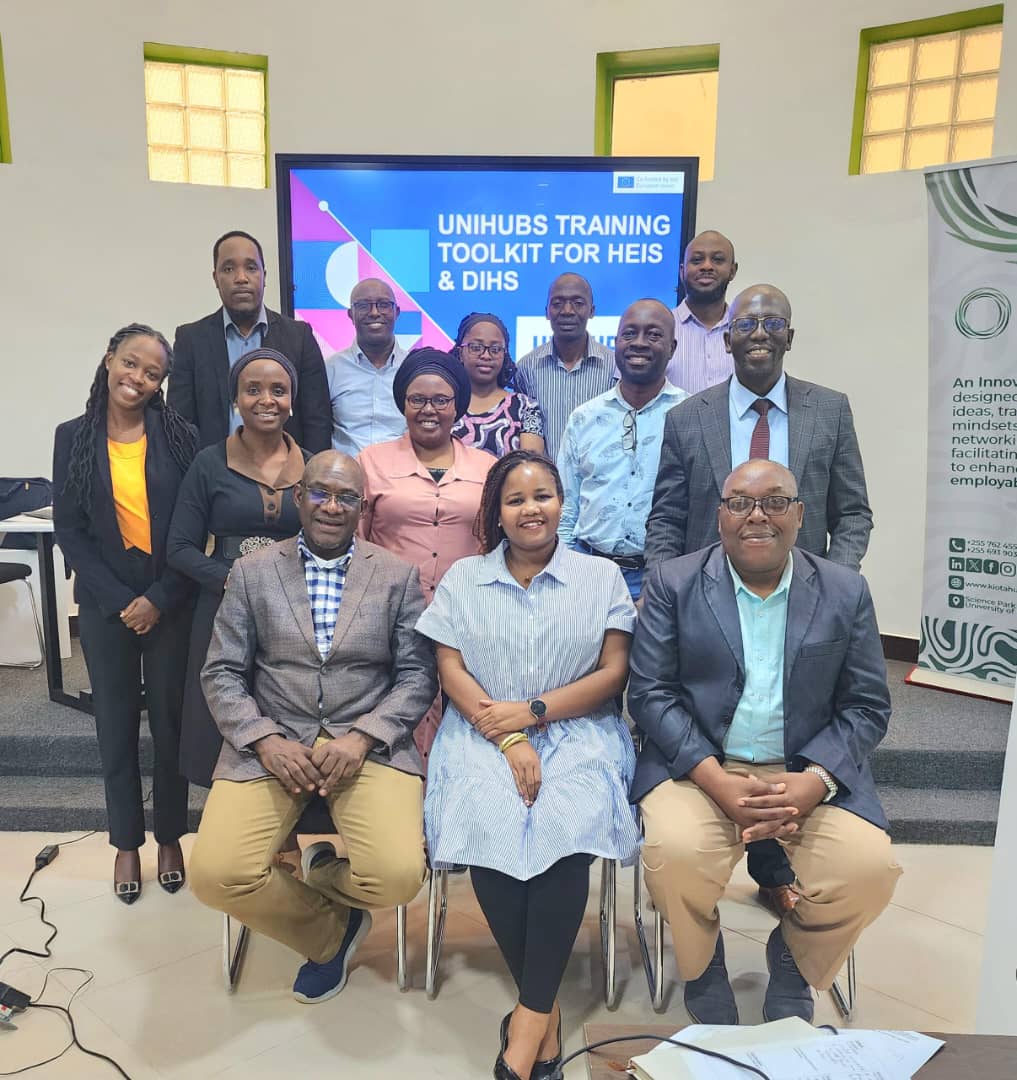
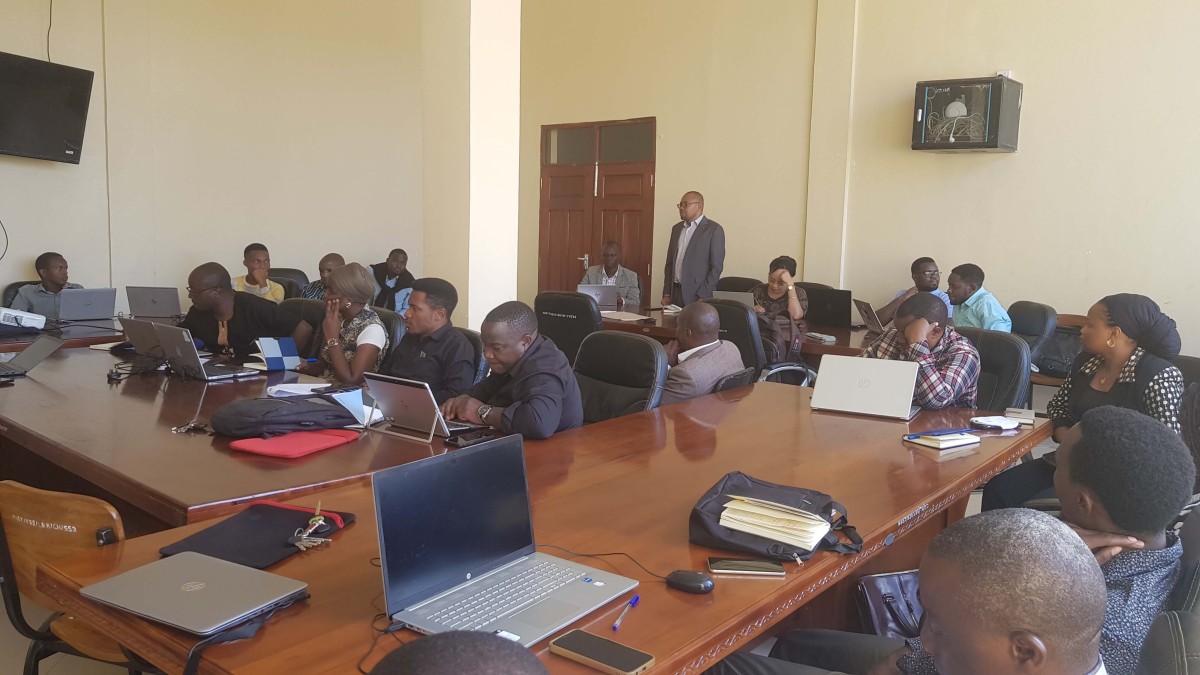
Again partners built on this momentum by convening a forward-looking workshop that captured each country’s strong entrepreneurial and technological spirit. Industry leaders, innovators, students and faculty examined the digital skills that shape market competitiveness. They highlighted the need for graduates who understand innovation processes, can translate ideas into value and can navigate fast-changing technology landscapes with agility. The workshop underscored the shared responsibility of academia and industry in nurturing the next generation of digital leaders.
The co-creation agenda took on a highly practical tone as participants transformed insights from the ecosystem into concrete curricular elements. They reviewed existing learning modules, assessed skills gaps and co-designed new content that reflects inclusive innovation, entrepreneurship, applied problem solving and digital fluency. The collaborative atmosphere demonstrated the power of diverse perspectives working together toward a unified educational vision.
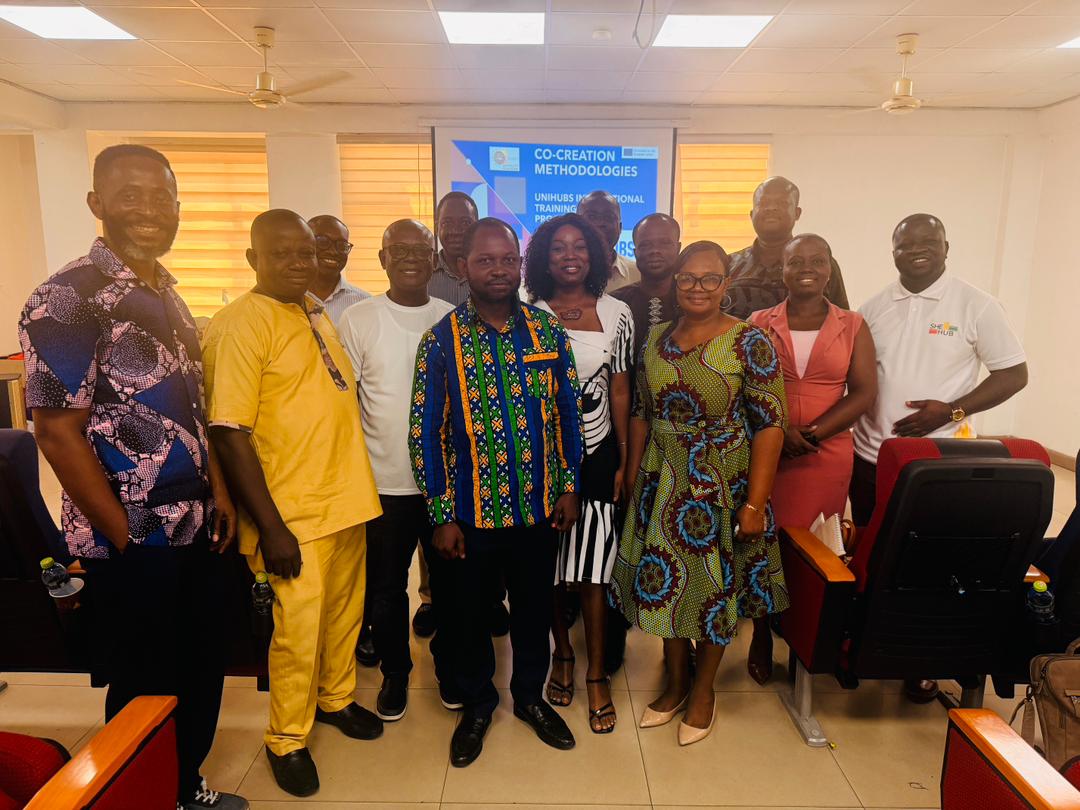
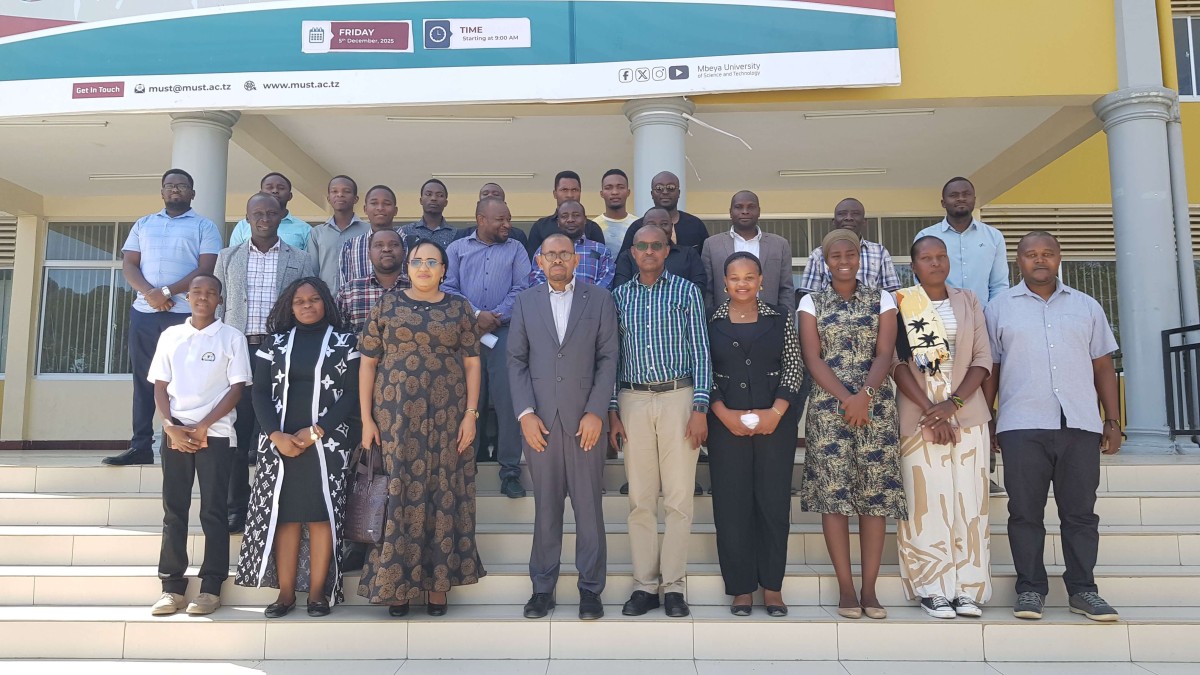
A major highlight across all partner countries was the integration of four thematic curriculum areas that now form a core part of the co-creation workshops. The first thematic area explored business development models and strategies, enabling participants to examine how organizations identify opportunities, enter new markets, build strategic partnerships and create long-term value. They engaged with models such as Ansoff’s Growth Matrix, the Business Model Canvas and the Strategic Partnership Model, analyzing how each framework can help students understand value creation in real-world markets.
The second thematic focus centred on Technology Transfer and Data-Driven Innovation. Participants reflected on how universities can transform scientific knowledge, research outputs and intellectual property into commercially viable solutions. They examined how data analytics, big-data infrastructure and evidence-based decision-making fuel innovation processes. The discussion showed how technology transfer and data-driven innovation complement each other by enabling both the creation and the refinement of products, services and business models.
The third theme, Digital Marketing, highlighted the practical relevance of online channels and digital communication tools in modern enterprise development. Participants explored search engine optimisation, social media strategy, content marketing, influencer engagement and digital advertising. These insights helped refine curriculum elements that will equip learners with the tools to promote innovations, build digital brands and reach wider audiences in competitive markets.
The final thematic area focused on Soft Skills Development for Digital Innovation Professionals. Facilitators encouraged participants to think critically about the interpersonal capabilities required in today’s digital world. They discussed inclusive leadership, empathy, cross-cultural awareness, ethical judgment, reflective practice and collaborative problem solving.
Across all co-creation sessions, facilitators guided participants through structured activities that encouraged analytical thinking, creativity and systems level understanding. The resulting draft educational package blends technical depth with practical relevance, while strengthening the human-centred values required for thriving innovation ecosystems. The workshops affirmed that meaningful curriculum design emerges when academia, industry and society co-create solutions rather than operate in isolation.
The Local Multiplier Workshops played an equally important role by extending project results into the wider community. Participants shared insights with the academia, student groups, digital innovation hubs and alumina, amplifying the project’s reach and encouraging broader ownership of its goals. These engagements created a ripple effect that reinforced UNIHUBS’ commitment to inclusive digital transformation.
As the project advances toward curriculum refinement, pilot implementation and broader dissemination, the achievements recorded in Ghana, Kenya and Tanzania continue to inspire confidence in the UNIHUBS co-creation model. The project remains dedicated to shaping educational experiences that equip learners with not only technical knowledge, but also the mindset, creativity and resilience required to contribute meaningfully to Africa’s digital future and entrepreneurship development.
Related Articles
Last Consortium Meeting for 2025
Following the final UNIHUBS consortium meeting of 2025, project partners came together to review progress, reflect on recent activities, and align on key priorities for the next phase of implementation. The meeting highlighted significant progress made over the past...
UNIHUBS Design Thinking Bootcamp Fosters Innovation in Higher Education
Hapa Space in Kumasi recently hosted the UNIHUBS Design Thinking Bootcamp from 18–19 March 2025, gathering 60 stakeholders from higher education institutions (HEIs), digital innovation hubs (DIHs), industry, civil society, and project partners across Africa and...
UNIHUBS Showcased at Nairobi Regional Seminar on African Graduate Employability
April 3, 2025 – Nairobi, Kenya The UNIHUBS project was featured at the high-level Regional Seminar on Labour Market Insertion of African Graduates – The Experience of Erasmus Mundus, held on 2–3 April 2025 at Strathmore University, Nairobi. Organised under the Erasmus...